
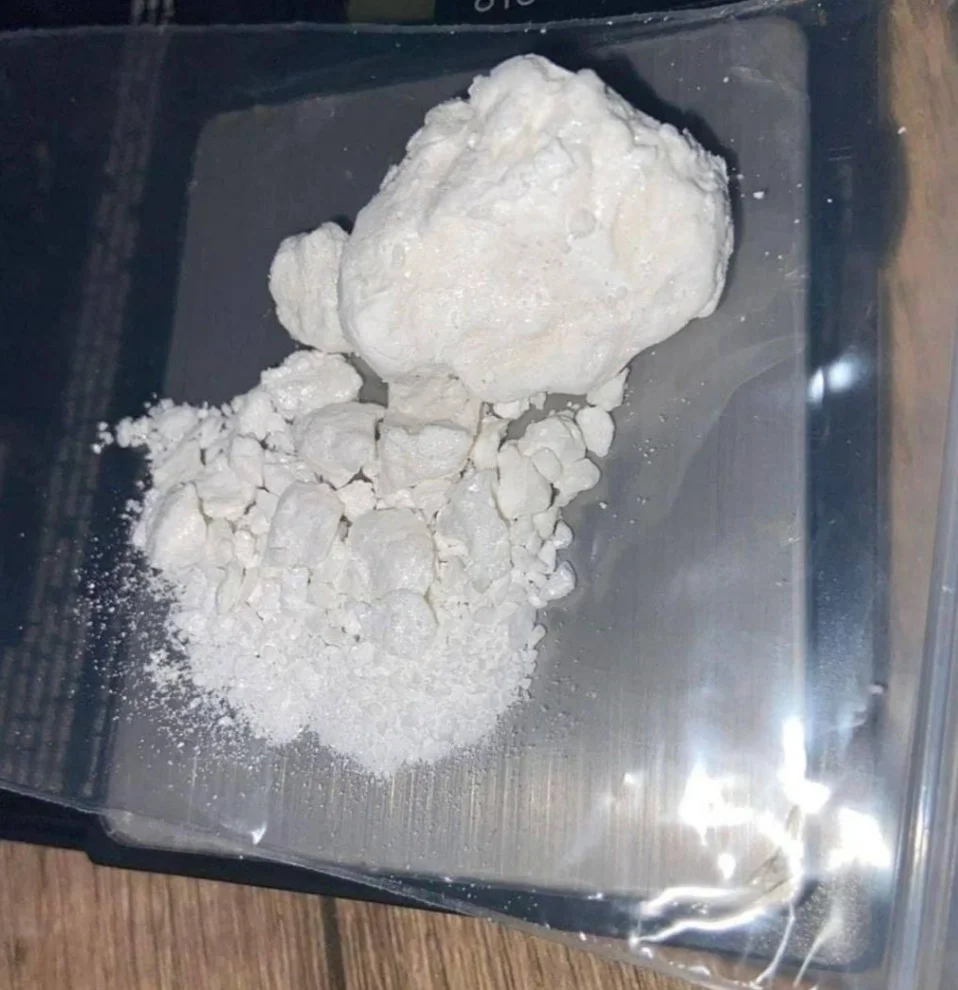
Description
BIO Cocaine
Cocaine is a stimulant drug that’s made from the leaves of the South American coca plant. For thousands of years, indigenous people in the Amazon Rainforest and the Andes Mountains have chewed coca leaves to get an energetic high. European scientists first isolated cocaine from coca leaves in the 1850s. Once lauded as a medical “wonder drug,” experts now recognize cocaine as one of the most addictive substances on Earth.
The Coca Plant
The coca plant is one of the oldest cultivated plants in South America. Botanists think its cultivation may have started in the Amazon Rainforest and spread to the Andes Mountains.
Because users felt an exhilarating sensation and an increase in energy, the indigenous people of South America have chewed the coca leaf for centuries. Coca leaf was also included in Inca cultural and religious ceremonies.
The Catholic Church in colonial South America saw the use of the coca leaf as undermining the spread of Christianity. In 1551, Catholic bishops urged the Peruvian government to prohibit the use of coca. Ultimately, it wasn’t banned, but restrictions were put on the amount of land used for coca cultivation.
Cocaine as Medicine
German chemist Albert Niemann isolated cocaine from coca leaves in 1860. He noticed that the powdery white substance made his tongue feel numb.
Around the same time, French chemist Angelo Mariani concocted a tonic made from Bordeaux wine and coca leaves. He called it Vin Mariani. Advertisements claimed the popular drink could “restore health and vitality.”
More than two decades later, Austrian ophthalmologist Carl Koller experimented with cocaine as a surgical anesthetic because cataract surgery was typically performed without anesthesia at the time.
Ether and chloroform couldn’t be used because they made patients vomit—an obvious problem when performing delicate eye surgery. As a result, most cataract patients endured excruciating pain.
After soaking the eye in a cocaine solution, Koller found that patients no longer flinched when the scalpel touched their eye.
Pharmaceutical companies soon began marketing cocaine. Enthusiasm for anesthetic cocaine quickly waned in the medical community, however, as the number of patients dying of accidental overdoses during surgery soared.
Freud And Cocaine Addiction
Sigmund Freud, the Austrian neurologist who founded the field of psychoanalysis, was fascinated with cocaine. Early in his career, he began to experiment with the drug.
In 1884, at the age of 28, Freud wrote a paper titled “Uber Coca,” which he described as a “song of praise to this magical substance.”


Reviews
There are no reviews yet